Add Row
Add Element
Modern CryptoTube News icon blending play button and blockchain node in electric blue and neon green.
update
CryptoTube News: Top Crypto Channels & 2025 Trends
update
Add Element
  • Home
  • Categories
    • Coin Bureau
    • BitBoy Crypto
    • Altcoin Daily
    • Crypto Casey
    • CryptosRUs
    • The Moon
    • Ivan on Tech
    • Whiteboard Crypto
    • Andreas Antonopoulos
    • Finematics
    • JRNY Crypto
    • Token Metrics
    • Coffeezilla
    • The Crypto Lark
    • Boxmining
    • Young And Investing
    • Coinskid
    • EllioTrades
    • Benjamin Cowen
    • Crypto Banter
    • Extra News
April 17.2025
4 Minutes Read

Navigating Stagflation Risks: Understanding Tariffs' Impact on the US Economy

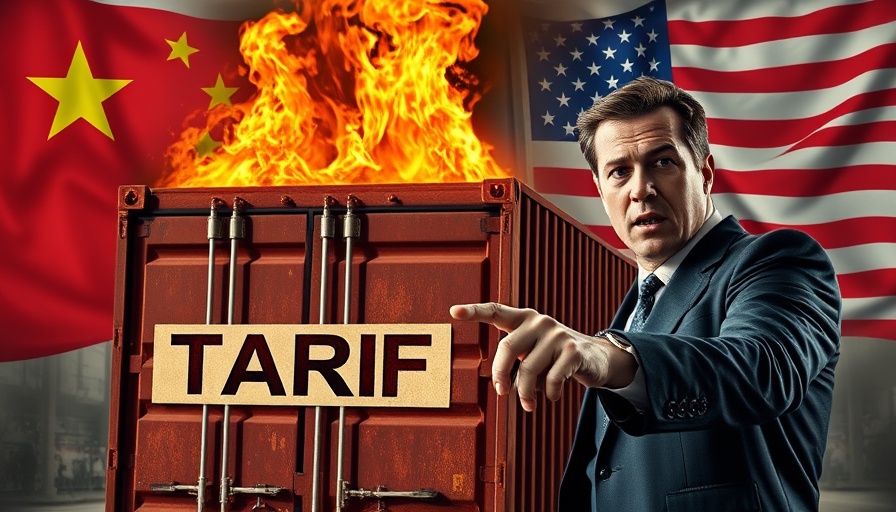
Dramatic illustration of stagflation risks in US economy with tariff flames.

Understanding the Economic Landscape: What Lies Ahead?

The current economic climate, significantly influenced by former President Trump's tariffs, poses an alarming threat to the U.S. and global economies alike. Economic analysts are increasingly expressing concerns about a potential recession. However, the grim forecast for the economy goes beyond simple recession; stagnation coupled with inflation, known as stagflation, is becoming a pressing topic of discussion. To stay informed and unravel this complex issue, we must break down what stagflation is, its potential impacts, and how we might navigate these turbulent economic waters.

In 'Tariffs & Stagflation: Global Economic Crash Incoming!?' the discussion dives into the critical issue of stagflation, exploring key insights that sparked deeper analysis on our end.

What is Stagflation and Why It Matters?

Stagflation is characterized by a toxic blend of stagnant economic growth, high inflation, and soaring unemployment. These conditions typically do not occur together as economic principles suggest inflation should decrease with rising unemployment due to lower demand. However, this is not always the case. Historical perspectives remind us of its profound impact on the economy, as seen during the 1970s energy crisis, which enveloped the U.S. in a vicious cycle of economic despair. The term 'stagflation' emerged from the combined forces of high unemployment and inflation, presenting a unique challenge for policymakers who found it difficult to stabilize both inflation and job growth simultaneously.

Historical Context: Lessons from the 1970s

The stakes are high when we consider the bleak context of stagflation, primarily due to its rarity and the severe consequences it entails. A historical lens reveals that the 1970s stagflation resulted from external shocks like the oil embargo, which escalated costs while crippling production—an all too familiar scenario reminiscent of recent supply chain disruptions fueled by geopolitical tensions. Additionally, soaring inflation and employment risks hinder cost-effective measures to counteract these challenges. Confounding this era's lessons is the understanding that while we may now face similar conditions, the current economic framework and market dynamism may prompt different outcomes.

Impact of Tariffs on Global Trade and Domestic Markets

The direct influence of tariffs on trade and the national economy should not be understated. As U.S.-China relations deteriorate amidst increasing tariffs, both nations now see the repercussions echoing throughout global markets. These tariffs have transformed from temporary measures to permanent fixtures, drastically reshaping production strategies. With tariffs on critical production materials increasing costs for manufacturers, companies may find themselves unable to remain competitive, risking further unemployment and economic stagnation.

What Can We Expect Moving Forward?

The current state of tariff-induced conditions signals a precarious road ahead. It raises questions about the sustainability of growth within our financial systems. While the ramifications are immediate, the long-term impact of current policies is that the higher input costs will ultimately lead to diminished consumer spending, further disincentivizing corporate investment. Analysts suggest that unless critical tariffs are reassessed or eliminated, the U.S. could face a stagnation that not only limits growth but also leads us into potential stagflation. This could necessitate a systemic strategy from policymakers to restore confidence in growth trajectories while managing inflation.

Dealing with Stagnation: Navigating Policy Responses

In these uncertain times, understanding how policymakers might respond is essential for business and investors alike. Traditionally, the Federal Reserve can leverage interest rates to stabilize inflation; however, this may prove counterproductive in any stagflation scenario where unemployment is already high. Thus, navigating this unique economic paradox demands swift and informed policy actions, potentially leading to either drastic interest rate hikes or expanded fiscal policies to stimulate job growth.

Your Role in This Financial Landscape

For investors and market participants, grasping the variables affecting the current economic paradigm is crucial. With the potential for both a recession and stagflation looming, risk management becomes a thematic focus. Diversification strategies, like exploring cryptocurrency as an alternative asset class, may be beneficial in mitigating financial turmoil. As macroeconomic trends shape our market landscape, following credible sources of information, such as Coin Bureau educational materials, could provide valuable insights into asset protection amidst evolving challenges.

Ultimately, understanding stagflation and its implications empowers both individuals and businesses to make informed decisions. Utilizing tools and techniques from crypto trading strategies to effective risk management can bolster financial resilience as we navigate this turbulent economic environment. By actively educating ourselves and adapting to changes, we can explore viable pathways through this potential crisis.

Call to Action

Join the community of forward-thinking investors and enthusiasts at Coin Bureau. Stay updated with comprehensive articles, educational webinars, and market updates to enhance your understanding of the evolving financial landscape. Don’t miss out on key insights—sign up for the Coin Bureau newsletter today and explore how you can thrive even amidst economic uncertainty.

Crypto Banter

1 Views

0 Comments

Write A Comment

*
*
Related Posts All Posts
02.18.2026

Understanding the Unrealized Gains Tax: What HODLers Need to Know

Update The New Tax Landscape for Crypto Investors The cryptocurrency market is evolving rapidly, and with it, the regulatory landscape is shifting. Recently, discussions surrounding the unrealized gains tax have taken center stage, particularly amongst HODLers—those who hold their cryptocurrency investments long-term without selling. This new tax initiative signals a substantial change in how crypto investors need to strategize their portfolios, blending a traditional investment mindset with the dynamic properties of digital assets.In the video Unrealized Gains Tax on Crypto: The New 36% Law Explained, the discussion delves into how this significant change could impact HODLers in the cryptocurrency space, prompting us to analyze the broader implications and necessary strategies to adapt. Understanding Unrealized Gains Tax: Essentials for Investors Unrealized gains tax represents a pivotal moment in the tax treatment of digital assets. Unlike capital gains taxes that only apply when an asset is sold, this new tax proposition reflects on paper gains even if the investor has not liquidated their positions. This means that cryptocurrency investors must now be acutely aware of their valuations at any moment—potentially affecting their liquidity and future investment strategies tremendously. How This Tax Could Reshape Investment Strategies The realization of unrealized gains can lead to several strategic shifts among crypto investors. For example, long-term holding as a strategy could be profoundly impacted. While HODLers might have previously invested with confidence in a traditional buy-and-hold strategy, now they must consider cashing out or hedging against market volatility—even for positions they haven't sold. Financial planning and portfolio reviews will be critical as investors navigate this intricate landscape. Implications of the 36% Tax Rate on HODLers The prospect of a 36% tax rate on unrealized gains raises several questions about the financial burden it places on crypto holders. Such significant taxation could encourage more short-term trading behavior as investors scramble to retain liquidity. Moreover, the emotional weight of unrecognized profits combined with the threat of heavy taxation presents a new psychological layer to cryptocurrency investing, impacting the overall market sentiment and trading psychology. A Global Perspective: How Regulations Impact Crypto Understanding the implications of the unrealized gains tax requires a closer look at global regulatory trends. Countries like China have implemented strict regulations on cryptocurrency trading, while others are exploring the benefits of CBDCs (Central Bank Digital Currencies). The fragmentation in regulatory approaches contributes to the complexities investors face while navigating crypto markets. This trend necessitates that traders and investors educate themselves on international regulations to manage their tax burdens effectively. Strategies for Adapting to New Tax Regulations As the cryptocurrency landscape shifts, various strategies can help mitigate the effects of the new tax policies. Here are a few essential considerations for investors: Diversifying Portfolio: By diversifying into various assets, investors can potentially minimize their tax burden through strategic sales, allowing flexibility in reacting to market movements. Tax Loss Harvesting: This method enables investors to offset gains with losses, thus lowering taxable income. Staying Informed: Regularly checking updates from crypto analytics channels like Coin Bureau can provide valuable insights and keep investors abreast of regulatory changes. Final Thoughts: Preparing for the Future of Crypto The unrealized gains tax is more than just a financial consideration; it embodies a shift in how cryptocurrency is perceived by governments and investors alike. As the climate surrounding crypto regulations becomes increasingly complex, engaging in continuous education—ranging from blockchain tutorials to expert interviews—can empower investors to navigate these changes. For those curious about the nuances of trading and holding crypto in this new environment, exploring platforms focused on cryptocurrency education, such as Coin Bureau, may prove invaluable. As we continue to observe the evolving world of crypto taxation, staying agile and informed will be crucial—because, in a blockchain galaxy, only the prepared can thrive.

02.16.2026

Why Bitcoin Isn't Rallying Despite the Dying Dollar: Key Insights

Update Bitcoin's Fall Amidst Dollar's Decline: Unpacking the Paradox The current economic landscape presents a perplexing contradiction: as the US Dollar sees a significant downturn, Bitcoin, the pioneering cryptocurrency, is not responding as expected. Historically, an inverse correlation between Bitcoin and the US Dollar Index (DXY) was observed, but recent trends suggest that this relationship is faltering. In a world where gold prices surge amid dollar weakness, why is Bitcoin losing its momentum? This article delves into the intricacies of this shift by examining various macroeconomic factors.In 'The Dollar Is DYING But Bitcoin Isn't Rallying - Here's The Scary Reason Why,' key issues are presented about the disconnect between Bitcoin and the US Dollar, which prompted deeper analysis for our audience. Understanding the Liquidity Mirage The concept of the liquidity mirage plays a crucial role in understanding Bitcoin's current trajectory. Essentially, this phenomenon refers to a temporary perception of wealth that can manipulate market behaviors. Investors experience a false sense of security as liquidity seems abundant, leading to irrational investment decisions. In today's cryptocurrency market, diluted liquidity levels reflect rising uncertainty and volatility, causing Bitcoin to struggle in carving its own path against the backdrop of a weakening dollar. Debt Refinancing Wall of 2026: An Upcoming Crisis? The looming debt refinancing wall of 2026 poses substantial challenges not only for traditional markets but also for digital currencies. As the US government faces staggering debt obligations, the ramifications for Bitcoin could be severe.... While investors hope for a robust response from Bitcoin, the underlying economic signals suggest volatility ahead. By preparing for this crisis, market players can better navigate the potential tumultuous waters while considering how new liquidity provisions can emerge as a counterbalance to market pressures. The Yen Carry Trade Unwind: Implications for Crypto Another factor influencing Bitcoin's current status is the unwind of the yen carry trade. This practice has involved borrowing in Japanese yen, with low-interest rates, to invest in higher-yielding assets including cryptocurrencies. The reversal of this trade could lead to significant shifts in market sentiment. If investors begin to liquidate their crypto holdings to cover short positions in the yen, we might witness further downward pressure on Bitcoin prices. The Resurgence of Gold and China's Buying Spree Competing with cryptocurrencies is the resurgent interest in gold, which often serves as a safe haven during uncertain economic times. Factors such as China’s increasing gold purchases heighten gold's attractiveness as a hedge against potential market downturns, diverting capital away from Bitcoin. Investors seeking stability may favor gold, further complicating the cryptocurrency’s performance relative to traditional assets. Key Signals That May Restore Bitcoin's Correlation with the Dollar Despite the complex landscape, there are four critical signals to watch that could reestablish Bitcoin’s macro correlation with the dollar. For one, clarity in monetary policy from the US Federal Reserve could trigger renewed trust in Bitcoin as a hedge. Moreover, shifts in investor sentiment towards risk assets may catalyze a flight back to cryptocurrencies, particularly if inflation continues unabated. The Future of Bitcoin in the Context of the Dollar's Decline As market participants assess these dynamics, the future of Bitcoin remains uncertain. While the current analysis might present a gloomy outlook, it signals a crucial inflection point for investors. Understanding how external factors like global liquidity, economic policies, and investor psychology interact will be key to deciphering market trends moving forward. Join the Conversation at Coin Bureau The evolving narrative surrounding Bitcoin's disconnection from traditional market signals underscores the importance of education and strategic investment decisions. Engage with the crypto community and deep dive into comprehensive resources at Coin Bureau. Whether you’re interested in trading lessons, blockchain tutorials, or expert interviews, there's a wealth of information available to help you navigate these turbulent times.

02.15.2026

Bitcoin Miners Abandoning BTC: Is This the Time to Invest?

Update Understanding the Current Bitcoin Mining Crisis The cryptocurrency market is renowned for its volatility, and the recent decline in Bitcoin's value to $60,000 has raised alarm bells among miners and investors alike. For many miners, operational costs have skyrocketed due to the increased difficulty in mining and energy prices. As this trend continues, numerous miners are being pushed to their breaking point, with some even considering shutting down operations entirely. This critical juncture prompts an essential question: Is this an omen of a broader downturn in the mining industry or an opportunity for savvy investors?In 'Bitcoin Miners Are Abandoning BTC... And No One Is Talking About Why', the video discusses the ongoing crisis in Bitcoin mining, prompting us to analyze its implications and the potential opportunities it creates for investors. The Breakeven Crisis The notion of a 'breakeven crisis' has become prevalent in discussions about Bitcoin mining. With the fluctuating value of BTC, many miners find themselves working without profit margins. For miners, the operational dynamics are dictated by a few key factors: the cost of electricity, mining hardware efficiency, and, perhaps most significantly, the price of Bitcoin itself. Since the majority of Bitcoin mining enterprises depend on generating profit, many affected miners are caught in a precarious position, where further investments seem increasingly daunting. Migration to AI and New Technologies As miners face crippling costs, there's an observable trend toward pivoting to more lucrative ventures, including Artificial Intelligence (AI). The mining infrastructure for Bitcoin possesses the computational power that parallels that of AI data centers. The potential to pivot operations and leverage existing technology for AI could offer a future-forward avenue for miners struggling with Bitcoin's tumultuous market. This transition not only provides an alternative source of revenue but also opens new avenues within the rapidly evolving tech landscape. Bitcoin's Hashrate and Network Difficulty Levels Recent discussions have shed light on the impact of Bitcoin's hashrate and network difficulty on the overall mining ecosystem. The hashrate, a measure of the computational power used to mine and process transactions, is directly correlated to mining profitability. When the hashrate decreases, so does the overall difficulty, giving miners a potential lifeline. However, as more miners unplug to mitigate losses, there may be unintended consequences on the network's stability and the security of transactions, raising questions about the long-term implications for Bitcoin. What's Next for Bitcoin Miners? Looking ahead, the future of Bitcoin and the mining industry becomes a subject of intense speculation. The current market conditions reflect a significant pullback, raising the conversation surrounding Bitcoin's role as a store of value, especially with growing institutional interest in alternative investments like Bitcoin ETFs and Central Bank Digital Currencies (CBDCs). The survival of mining operations may depend on a combination of market recovery, technological adaptation, and diversification into other income streams. Keeping a keen eye on market trends, including support and resistance levels, and employing tools like the RSI indicator could become essential strategies for miners navigating these choppy waters. Educational Insights for Crypto Enthusiasts For those interested in delving deeper and grasping the ever-evolving crypto landscape, resources such as the Coin Bureau newsletter provide valuable market updates, trading strategies, and detailed crypto analysis. As the cryptocurrency world grows more intricate, access to educational materials, tutorials, and expert interviews will empower investors to make informed decisions and navigate through turbulent times. Being informed can lead to a strategic edge in spotting bullish signals and understanding bearish trends, helping investors position wisely as market conditions fluctuate. Conclusion: Why Now is the Time to Stay Informed Bitcoin mining faces unprecedented challenges, yet these challenges also present unique opportunities. Staying informed, seeking educational resources, and adapting to new technologies like AI can make a significant difference. As the market potentially undergoes a pivotal transformation, understanding these dynamics will be essential for anyone invested in or considering a foray into the world of cryptocurrencies. This uncertainty might lead to various strategies—some might see it as a call for caution, while discerning investors may view it as a buying signal, preparing for a rebound. Therefore, upcoming trends in the crypto space are crucial to monitor, and it can benefit operators and investors alike to stay engaged with reliable news sources and educational platforms. The future of Bitcoin, its value, mining, and the overarching crypto market remains remarkably fluid; you should not miss any significant development in this dynamic environment.

Terms of Service

Privacy Policy

Core Modal Title

Sorry, no results found

You Might Find These Articles Interesting

T
Please Check Your Email
We Will Be Following Up Shortly
*
*
*